
Metals & Mining Industry
Surface Protection Solutions for the Mining & Minerals Industry
Integrated lining, coating, and asset protection solutions for the world’s most demanding mining environments.
The harsh environments in the mining industry can take a toll on your infrastructure and equipment, fast. This can result in downtime and unexpected maintenance costs. That’s why it’s critical to protect your assets with a lining system proven to withstand even the most unforgiving environments.
The Blome Group’s can provide all of the surface protection solutions for your entire mining operation.
Select a category of products to explore:
- Surface Protection
- Protective Linings
- Corrosion Prevention
- Erosion Control
- Wear Protection
- Flooring
The Blome Group
Three brands. One integrated protection partner. From new construction requiring durable, long-term corrosion and abrasion resistance to active operations demanding maintenance and repair solutions, our technologies support the full asset lifecycle. We provide engineered lining systems for new builds along with MRO materials designed to restore, reinforce, and extend the service life of critical infrastructure.


Beyond the Linings
Successful protection in mining environments requires more than material selection. It requires process understanding.
Our technical experts provide:
- Evaluation of operating service conditions
- Coating and lining system specification support
- Project management support
- Installation procedure development
- Inspection and testing plan assistance
- On-site consultation and virtual technical support
- Technical inspection services
More Than Materials. A Technical Partnership.
Our process is highly consultative and technically driven – not transactional. Here’s what to expect when you bring us a challenge.
- We evaluate the assets operating conditions, chemical environment, temperature, and failure reason (if relevant)
- Develop a solution tailored to your lifecycle requirements, budget, and available outage window
- Provide detailed specifications so your applicator knows exactly how the job should be done
- Provide on-site installation support when needed
- We stay engaged as your long-term technical partner, not just for one job
NEW CONSTRUCTION
The Blome Group offers a complete range of engineered surface protection systems for mining and mineral processing facilities. From new construction requiring durable, long-term corrosion and abrasion resistance to ongoing operations needing maintenance and repair solutions, our technologies support the full asset lifecycle.
ORE HANDLING & CRUSHING
| Area | Specific Structures | Exposure Conditions | Risks | Key Performance Requirements | Recommended Coating Type |
| Crushing & Grinding | Jaw crushers, cone crushers, ball mills, SAG mills, rod mills — interior wear surfaces | Extreme abrasion from ore particles, impact from ore chunks, moisture, mild acids from ore chemistry | Severe mechanical abrasion, impact, erosion | Extreme abrasion resistance, impact resistance, bond strength to steel substrate | Ceramic-Filled Epoxy Novolac or Polyurethane Ceramic Coating; Ceramic wear tiles for heaviest wear |
| Conveyor Systems | Conveyor chutes, hoppers, transfer points, ore bins — interior linings | Continuous abrasion from ore flow, impact, moisture, corrosive fine dust | Severe abrasion/erosion, ore chemistry (mild acid/alkali depending on ore type) | Extreme abrasion/erosion resistance, impact tolerance, ease of field repair | Ceramic-Filled Epoxy Novolac; Alumina Wear Tiles; Ultra-Heavy Duty Urethane Mortar |
| Screens & Classifiers | Vibrating screen frames, trommel screens, hydrocyclone bodies | Abrasion from fine ore particles, wet slurry, vibration fatigue, corrosion | Erosive wear from slurry, vibration cracking of coatings, corrosion under wear | Flexibility to resist vibration cracking, abrasion resistance, adhesion to steel | Flexible Epoxy or Polyurethane Abrasion Resistant Coating; Rubber-bonded lining alternatives |
LEACHING & PROCESSING (HYDROMETALLURGY)
| Area | Specific Structures | Exposure Conditions | Risks | Key Performance Requirements | Recommended Coating Type |
| Leach Tanks | Heap leach pads, vat leach tanks, agitation leach tanks (copper, gold, uranium) | Dilute to concentrated H₂SO₄ (pH 0.5–3), cyanide solutions (gold), nitric acid, elevated temperatures up to 140°F | Sulfuric acid attack, cyanide corrosion, oxidizing conditions, MIC | Acid resistance (H₂SO₄, HCN), impermeability, elevated temperature resistance, MIC resistance | Vinyl Ester or Epoxy Novolac Lining; Acid Brick Lining + Membrane for most aggressive service |
| SX/EW Cell Houses | Solvent extraction contactors, electrowinning cells, concrete floors, trenches, sumps, structural steel | Continuous organic acid/sulfuric acid splash and vapors, electrolyte solution (copper sulfate), UV, concrete carbonation | Concentrated H₂SO₄ spills, copper sulfate electrolyte, organic solvent (kerosene/Lix reagent) splash, acid vapor corrosion | Resistance to H₂SO₄, organic solvents, copper sulfate; impermeability; slip resistance on floors | Epoxy Novolac or Vinyl Ester (high acid exposure); Polymer Concrete for floors/trenches; Industrial ceramics including acid brick, acid tile and vitrified tile. |
| Acid Plants | Sulfuric acid storage vessels, catalyst beds, heat exchangers, scrubbers, ductwork, acid drains | Concentrated H₂SO₄ (93–98%), SO₂/SO₃ gas, elevated temperatures (up to 300°F+), acid condensate | Extreme acid concentration, high temperature, SO₂/SO₃ corrosion, thermal cycling | Resistance to concentrated H₂SO₄, SO₂/SO₃, thermal stability, impermeability | Silicate Mortar/Concrete + Acid Brick/Tile Lining (most severe); High Temp Vinyl Ester (moderate); Furan (acid-resistant zones); Silica Concrete |
| Uranium / Specialty Leach | Pressure oxidation (POX) vessels, autoclave internals, uranium leach circuits | H₂SO₄ + oxidizing conditions, elevated pressures, temperatures 250–400°F, radiation exposure in some circuits | Extreme acid + oxidizer combination, high temperature and pressure, steam-out cleaning | High temp acid resistance, pressure resistance, oxidizing chemical resistance | High Temp Vinyl Ester (lower temp zones); Acid Brick + Silicate System (most severe); Specialized PTFE-lined systems |
FLOTATION & CONCENTRATION
| Area | Specific Structures | Exposure Conditions | Risks | Key Performance Requirements | Recommended Coating Type |
| Flotation Cells & Tanks | Flotation cell tanks, impellers, froth launders, overflow weirs, reagent addition points | Ore slurry, reagent chemicals (collectors, frothers, modifiers), mild pH variation (4–9), abrasion from slurry | Abrasion from mineral slurry, chemical attack from reagents, erosion at impellers/froth zones | Abrasion resistance, reagent chemical resistance, low-permeability, flexibility in froth zones | Abrasion-Resistant Epoxy Novolac or Vinyl Ester; Polyurethane flexible coating for froth zones |
| Thickeners & Clarifiers | High-rate thickener tanks, paste thickeners, rake arms, overflow launders, underflow sumps | Ore slurry/tailings, flocculant chemicals, high density pulp, elevated temperatures in some circuits | Abrasion from settled solids, chemical attack from process water chemistry, scaling | Immersion resistance, abrasion from settled solids, chemical resistance to flocculants | Epoxy Novolac or Vinyl Ester Lining; Abrasion-Resistant Epoxy for steel internals |
TAILINGS & WATER MANAGEMENT
| Area | Specific Structures | Exposure Conditions | Risks | Key Performance Requirements | Recommended Coating Type |
| Tailings Pipelines & Launders | Slurry transport pipelines, paste tailings lines, launders, pump casings | High-velocity abrasive slurry, solids content 20–70% by weight, pH from 2–12 depending on process | Severe erosive wear, corrosion under wear, high velocity impingement | Extreme erosion resistance, bond to steel under slurry pressure, chemical resistance across pH range | Ceramic-Filled Epoxy Novolac or Vinyl Ester; Ceramic Wear Tiles for highest velocity zones |
| Tailings Storage Facilities | Tailings dam liners, decant structures, return water ponds, TSF internal berms | Acidic/alkaline tailings water, UV exposure, freeze-thaw, geomembrane interface, biofilm | Acid mine drainage, UV degradation of exposed coatings, freeze-thaw cycling | UV resistance, crack bridging, acid mine drainage resistance, membrane integrity | Polyurea or Polyurethane Membrane (secondary containment); Vinyl Ester Lining (concrete/steel structures) |
| Process Water & Acid Mine Drainage | Water treatment tanks, neutralization tanks, lime addition systems, AMD collection sumps | Acidic mine water (pH 2–6), ferric/ferrous ions, manganese, elevated metals content, lime scaling | Low pH corrosion, scaling from lime/calcium, oxidizing conditions from AMD treatment | Resistance to low pH AMD, ferric ions, oxidizing conditions; scaling resistance | Epoxy Novolac (acidic zones); Vinyl Ester (most aggressive AMD); Epoxy (neutral/lime addition zones) |
STRUCTURAL STEEL & BUILDINGS
| Area | Specific Structures | Exposure Conditions | Risks | Key Performance Requirements | Recommended Coating Type |
| Structural Steel (Process Areas) | Structural beams, columns, platforms, handrails in acid/alkali plant areas | Acid vapors, H₂SO₄ mist, alkali mist, UV, temperature swings, industrial atmosphere | Atmospheric corrosion accelerated by acid/alkali vapors, UV degradation | Acid vapor resistance, UV stability, galvanic protection (zinc-rich primer), color/gloss retention | Epoxy; Epoxy Novolac; Vinyl Ester; Ceramic-Filled Epoxy Novolac |
| Mine Buildings & Infrastructure | Control buildings, laboratory buildings, maintenance shops — interior/exterior | Industrial atmosphere, mine dust, chemical fumes, UV, humidity, temperature extremes | Atmospheric corrosion, UV, chemical fume condensation, mine dust abrasion | UV stability, color/gloss retention, corrosion resistance, ease of maintenance recoat | Epoxy; Epoxy Novolac; Vinyl Ester; Ceramic-Filled Epoxy Novolac |
| Concrete Floors (Process Areas) | Crusher floors, mill building floors, SX/EW floor slabs, reagent areas, concentrate handling floors | Chemical spills (H₂SO₄, cyanide, reagents), heavy mechanical load, forklift traffic, abrasion | Chemical attack, mechanical abrasion, impact from ore/equipment, slip hazard | Chemical resistance (acids, cyanide, reagents), extreme abrasion/impact resistance, slip resistance, rapid return to service | Epoxy; Epoxy Novolac; Vinyl Ester |
SECONDARY CONTAINMENT
| Area | Specific Structures | Exposure Conditions | Risks | Key Performance Requirements | Recommended Coating Type |
| Chemical Storage & Secondary Containment | H₂SO₄ storage tanks and containment berms, cyanide storage, reagent secondary containment | Concentrated H₂SO₄ (93–98%), sodium cyanide solution, sodium hypochlorite, alkali solutions — spill immersion | Extreme pH attack, concentrated chemical immersion, pinhole risk | Resistance to concentrated H₂SO₄ / NaCN, pinhole-free, rapid return to service, crack bridging for berms | Vinyl Ester (H₂SO₄ / cyanide primary contact); Polyurea or Epoxy Novolac (secondary containment berms) |
PUMPS, VALVES & PIPING
| Area | Specific Structures | Exposure Conditions | Risks | Key Performance Requirements | Recommended Coating Type |
| Slurry Pumps & Impellers | Pump casings, impellers, liners, volutes — wet end components | High-velocity abrasive slurry, corrosive ore chemistry, cavitation | Cavitation damage, severe erosive wear, corrosion under wear | Cavitation resistance, extreme erosion resistance, bond strength under pressure, rapid spot repair | Ceramic-Filled Epoxy or Polyurethane; Ceramic Wear Compounds for spot repair |
| Process Piping & Fittings | Carbon steel pipe carrying acid solutions, slurry pipelines, cyanide transfer lines | Internal: acid/cyanide/slurry per service; External: atmospheric, underground, buried | Internal corrosion from chemicals; external corrosion from soil, moisture, cathodic protection issues | Chemical resistance per service (acid, cyanide, slurry); external corrosion protection; holiday-free | Internal: Epoxy Novolac or Vinyl Ester (per chemical); External: Epoxy + Polyurethane or CTE (buried) |
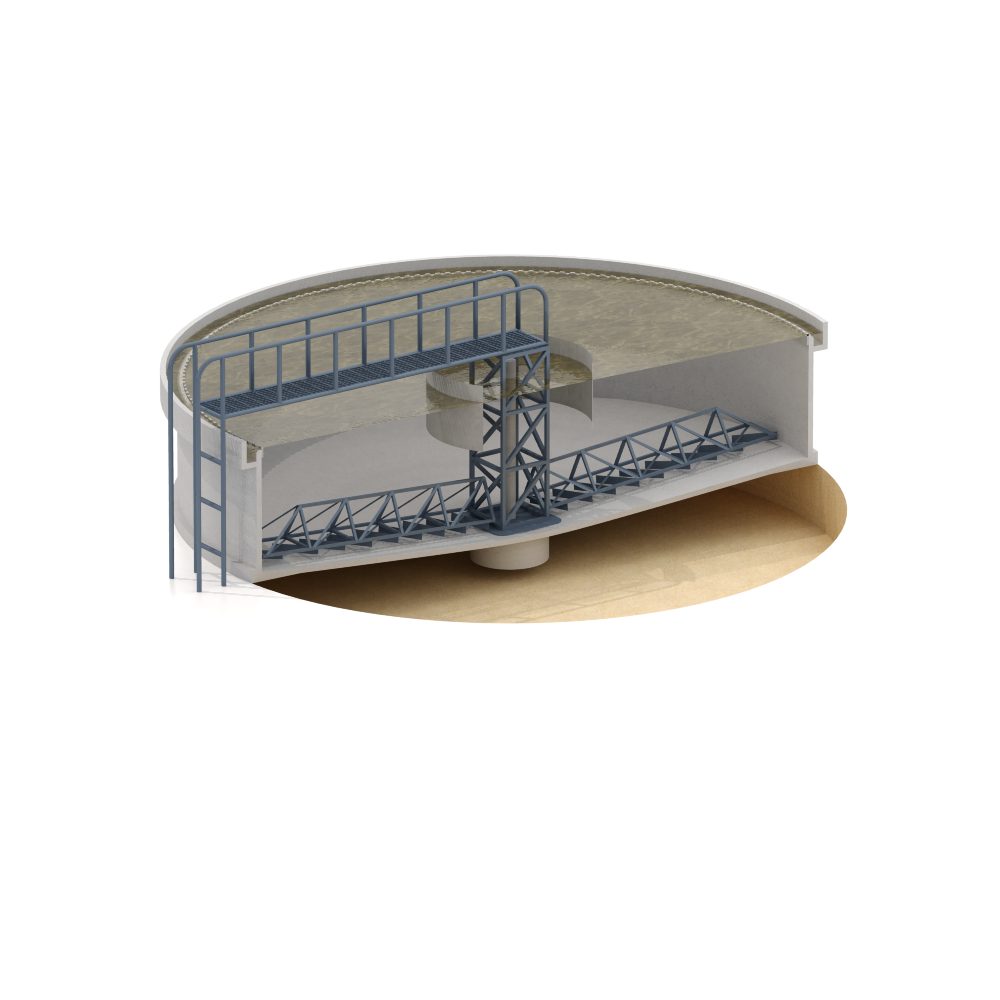
Clarifier and Rake Arms
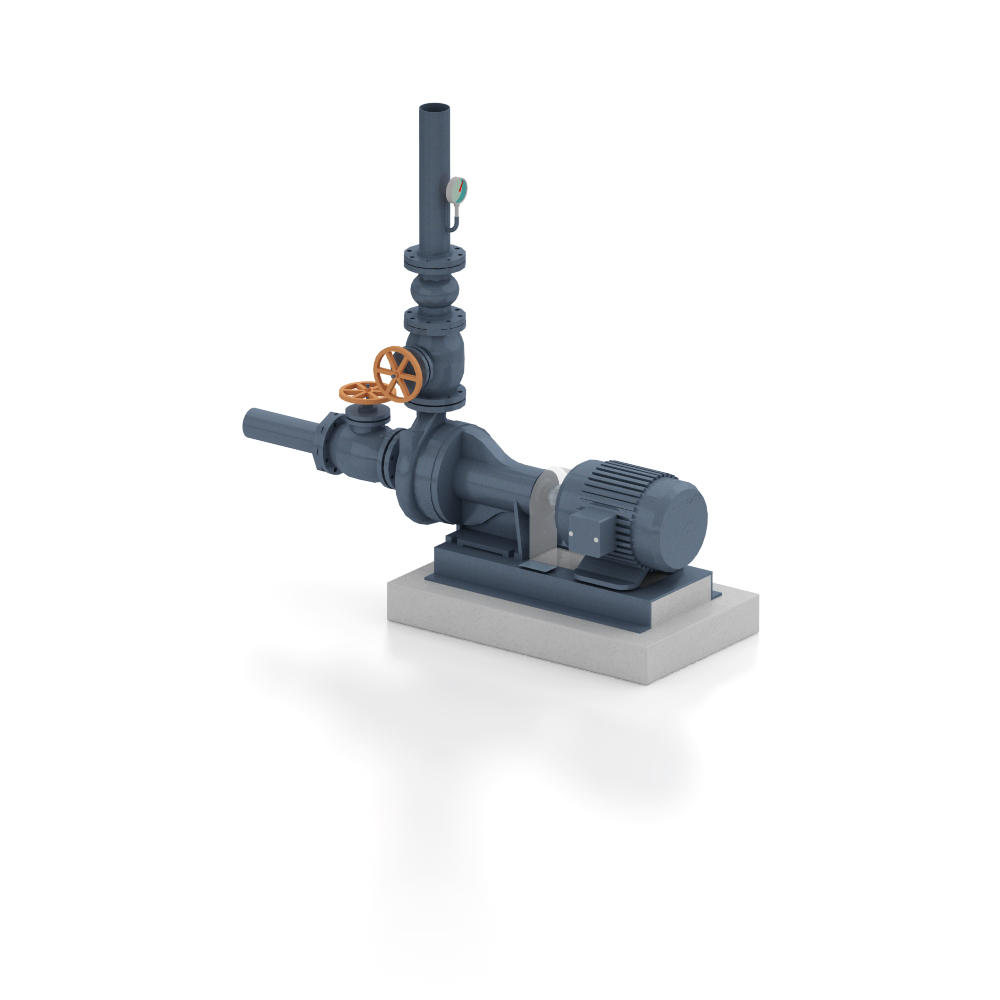
Pumps and Pump Pads
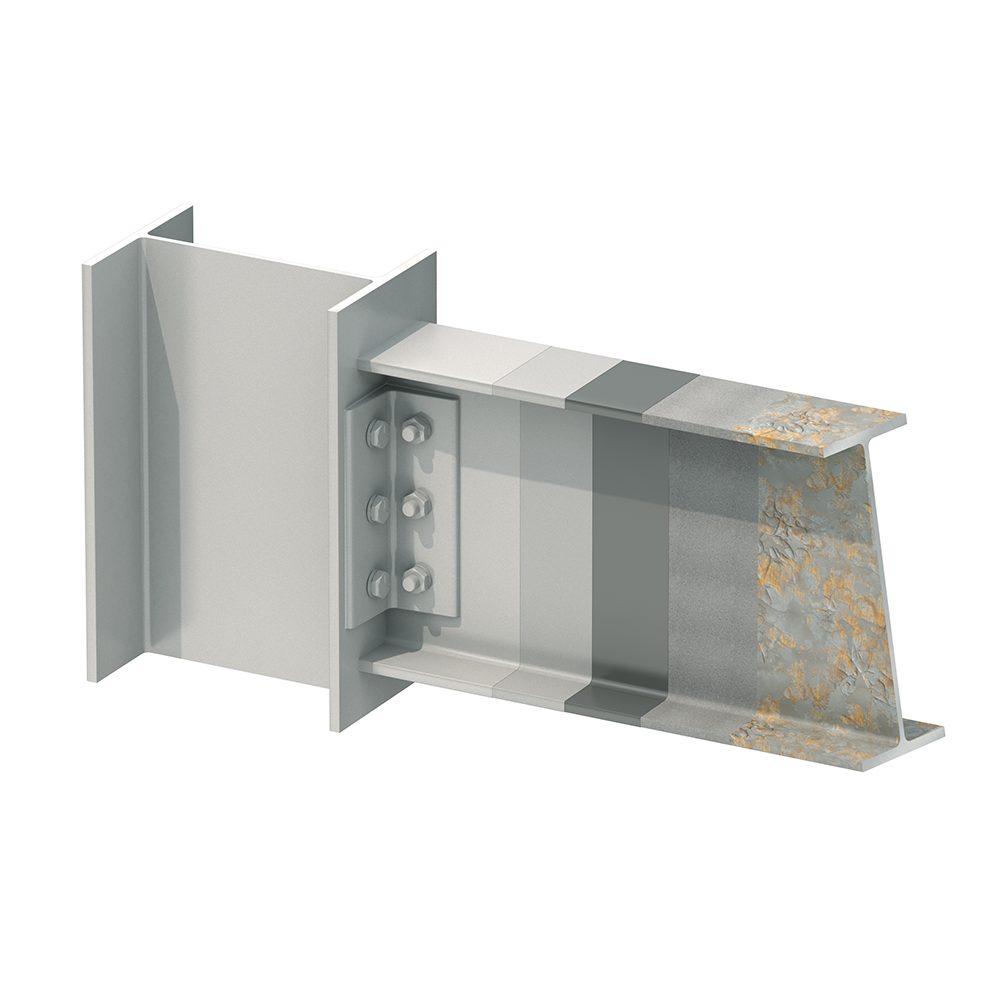
Structural Steel
Maintenence, Repair & Operations (MRO)
In addition to primary lining systems for new builds, the Blome group has a dedicated line of MRO materials that restore, reinforce, and extend the service life of critical infrastructure.
ORE HANDLING & CRUSHING
| Area | Risks | Key Performance Requirements | Recommended Coating Type |
| Crushing & Grinding (Primary/Secondary Crushers, Impact Zones, Feed Chutes) | Severe mechanical abrasion, impact, erosion | Ceramic reinforced/fortified, abrasion resistant liquid grade, brushable topping for resurfacing; Extreme duty ceramic aggregate (bead) heavily reinforced/fortified, abrasion resistant paste grade, trowel grade rebuilding and protective compound for heavy rebuild zones | Extreme abrasion resistance, impact resistance, bond strength to steel substrate |
| Gyratory & Ball Mills (Shells, Discharge, Trunnions) | Extreme slurry abrasion, impact, liner wear | Ceramic reinforced/fortified, abrasion resistant liquid grade, brushable topping; Ceramic and carbide heavily reinforced/fortified, abrasion resistant paste grade, trowel grade rebuilding compound; Extreme duty ceramic aggregate system for discharge zones | Slurry erosion resistance, impact tolerance, adhesion under vibration |
| Conveyor Systems (Drums, Pulleys, Skirts, Transfer Points, Impact Beds) | Severe abrasion/erosion, ore chemistry (mild acid/alkali) | Ceramic reinforced/fortified, abrasion resistant liquid grade, brushable topping; Ceramic and carbide heavily reinforced paste grade rebuilding compound; Extreme duty ceramic aggregate compound in high-impact zones | Abrasion/erosion resistance, impact tolerance, field repairability |
| Conveyor Belts (Rubber) | Tearing, gouging, edge damage | High elongation elastomeric paste grade patching compound; Emergency heavily reinforced/fortified, putty grade, hand applied rebuilding compound | Flexibility, adhesion to rubber, rapid field repair |
| Slurry Hoses & Flexible Transfer Hoses | External abrasion, cracking, mechanical damage | High elongation elastomeric paste grade patching compound | Elasticity, bond to rubber, chemical compatibility |
| Screens & Classifiers | Erosive slurry wear, vibration cracking | Flexible ceramic reinforced/fortified liquid topping where rigid allowed; Pourable grade backing compound dampener, vibration bushing and chemical abrasion resistant dampening backing compound for structural dampening | Vibration tolerance, abrasion resistance, adhesion to steel |
LEACHING & PROCESSING (HYDROMETALLURGY)
| Area | Risks | Key Performance Requirements | Recommended Coating Type |
| Leach Tanks | Sulfuric acid, cyanide, oxidizers, MIC | Mineral reinforced/fortified, chemical resistant liquid grade, brushable topping; Mineral heavily reinforced/fortified, chemical resistant paste grade, trowel grade rebuilding compound | Acid resistance (H₂SO₄, HCN), impermeability, MIC resistance |
| Acid Storage / Acid Plants | Concentrated H₂SO₄, SO₂/SO₃, thermal cycling | Mineral reinforced/fortified, chemical resistant liquid grade, brushable topping; Mineral heavily reinforced paste grade rebuilding compound | Resistance to concentrated acid, elevated temperature resistance |
| Uranium / Specialty Leach | Acid + oxidizers + temperature | Mineral reinforced/fortified, chemical resistant systems with heavy reinforced paste rebuilding compounds in localized repair zones | High temperature acid resistance, oxidizer stability |
| SX/EW & Chemical Storage | Acid spills, copper sulfate, organic reagents | Mineral reinforced/fortified chemical resistant liquid topping; Heavy reinforced paste grade compound for immersion zones | Solvent & acid resistance, impermeability |
FLOTATION & CONCENTRATION
| Area | Risks | Key Performance Requirements | Recommended Coating Type |
| Flotation Cells & Tanks | Abrasion from mineral slurry, reagent attack | Ceramic reinforced/fortified, abrasion resistant liquid grade, brushable topping; Ceramic and carbide heavily reinforced paste rebuilding compound in impeller zones | Abrasion resistance, chemical resistance, adhesion |
| Thickeners & Clarifiers | Settled solids abrasion, scaling, process water chemistry | Ceramic reinforced/fortified liquid topping; Ceramic and carbide heavily reinforced paste rebuilding compound for rakes, cones, underflow areas | Immersion resistance, abrasion resistance, chemical stability |
| Thickener / Underflow Tanks | Slurry abrasion, solids impingement | Ceramic reinforced/fortified liquid topping; Ceramic and carbide heavily reinforced paste rebuilding compound | Slurry erosion resistance, immersion performance |
TAILINGS & WATER MANAGEMENT
| Area | Risks | Key Performance Requirements | Recommended Coating Type |
| Tailings Pipelines & Launders | Severe erosive wear, high velocity slurry | Ceramic reinforced/fortified liquid topping; Extreme duty ceramic aggregate heavily reinforced paste rebuilding compound in high velocity zones | Erosion resistance, bond under slurry pressure |
| Process Water & Acid Mine Drainage | Low pH corrosion, ferric ions, oxidizers | Mineral reinforced/fortified chemical resistant liquid grade topping | Resistance to low pH AMD, oxidizing conditions |
| Underwater / Wet Repair Zones | Damp, marginal prep, immersion repair | Liquid grade, brushable for dry, damp, wet, and underwater curing requirements as well as marginal surface preparation; Heavily reinforced paste grade rebuilding compound for dry, damp, wet, and underwater curing requirements | Adhesion to wet substrate, underwater cure, immersion resistance |
STRUCTURAL STEEL & BUILDINGS
| Area | Risks | Key Performance Requirements | Recommended Coating Type |
| Structural Steel (Process Areas) | Acid vapor corrosion, abrasion | Ceramic reinforced/fortified liquid grade topping; Mineral reinforced chemical resistant topping in acid vapor zones | Acid vapor resistance, abrasion resistance |
| Mine Buildings & Infrastructure | UV, chemical fumes, dust abrasion | Epoxy / Epoxy Novolac / Vinyl Ester systems (per exposure) | UV stability, corrosion resistance |
| Concrete Floors (Process Areas) | Chemical attack, mechanical abrasion | Epoxy / Epoxy Novolac / Vinyl Ester systems; heavy reinforced paste rebuild in damaged zones | Chemical resistance, impact resistance |
SECONDARY CONTAINMENT
| Area | Risks | Key Performance Requirements | Recommended Coating Type |
| Chemical Storage & Containment | Extreme pH immersion, pinhole risk | Mineral reinforced/fortified chemical resistant liquid topping; Heavy reinforced paste rebuilding compound for structural defects | Pinhole-free application, acid resistance, crack bridging |
PUMPS, VALVES & PIPING
| Area | Risks | Key Performance Requirements | Recommended Coating Type |
| Slurry Pumps & Impellers | Cavitation, severe erosion | Ceramic reinforced/fortified liquid topping; Ceramic and carbide heavily reinforced paste rebuilding compound | Cavitation resistance, erosion resistance |
| Process Piping (Internal) | Chemical corrosion, slurry wear | Ceramic reinforced/fortified liquid topping for abrasion; Mineral reinforced chemical resistant topping for acid service | Chemical resistance per service |
| Buried / External Piping | Soil corrosion, moisture, CP interaction | Epoxy + Polyurethane external systems or Vinyl Ester depending on exposure | Holiday-free application, soil corrosion resistance |
50 Years of Proven Protection
Whether you have a specific project in mind or a chronic failure you can’t solve, bring us the problem. Our technical team will evaluate your conditions, propose a solution, and support you through installation and beyond.
Get In Touch